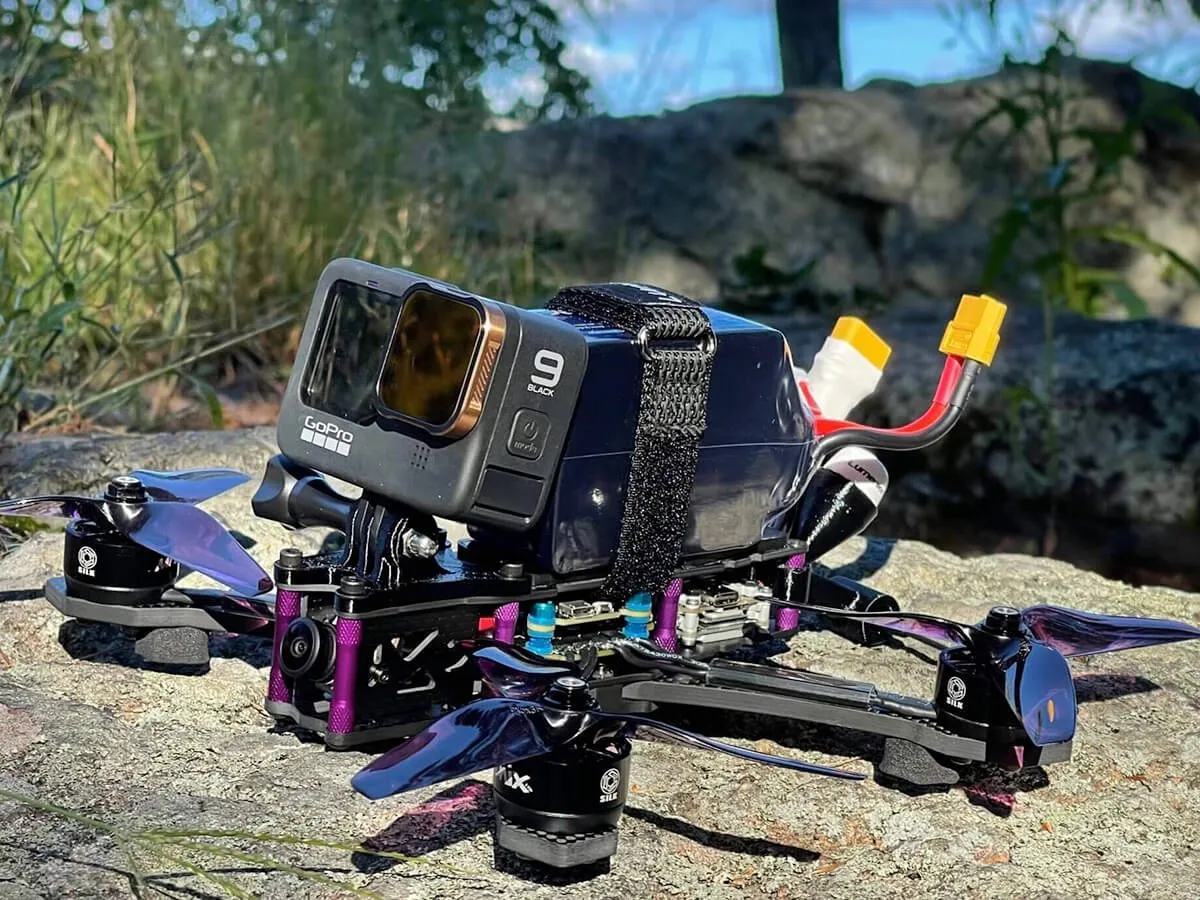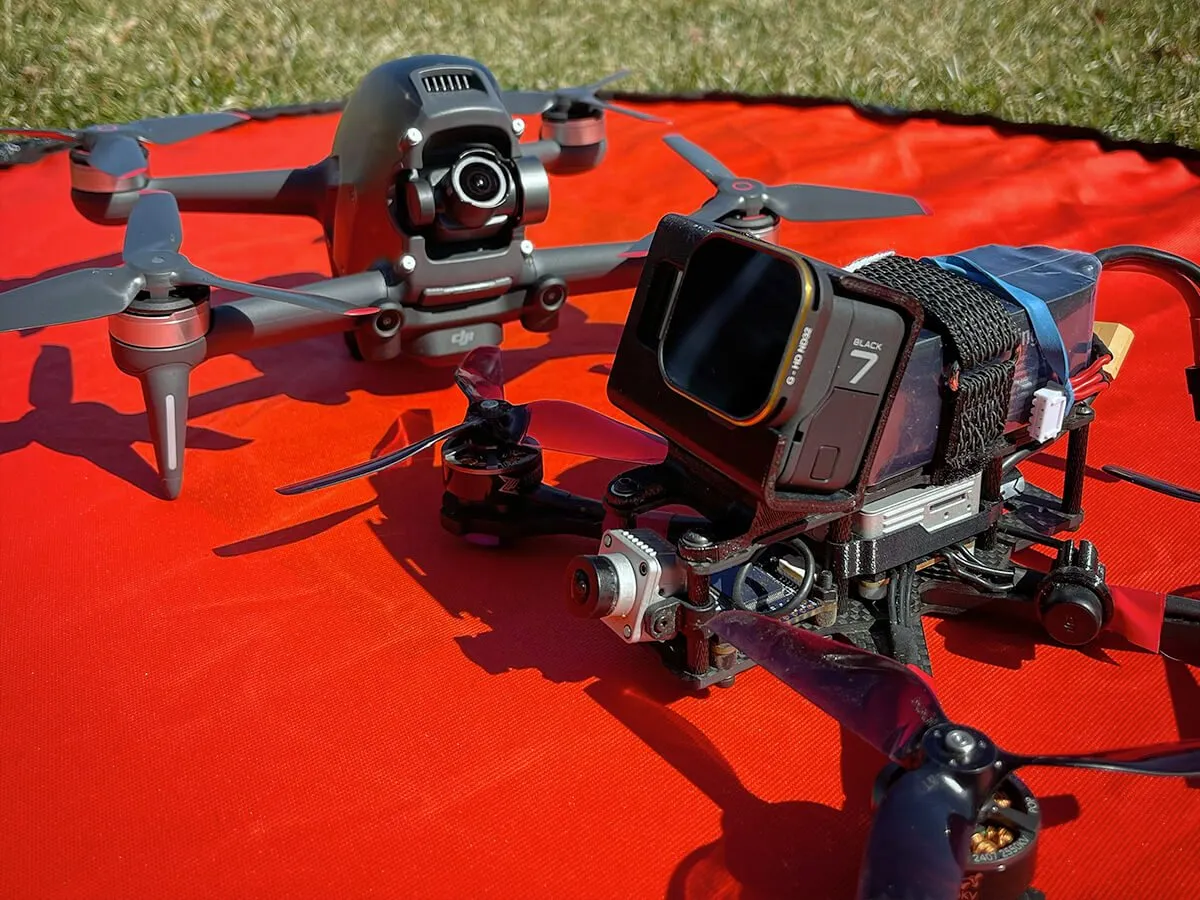
With the impending launch of the GoPro Hero 12, I started thinking a lot about the company. I’ve owned every GoPro since the Hero 2, so I have some history with them and their products. I even owned, and kind of liked, a GoPro Karma. It makes me a bit sad how stagnant GoPro has been, especially when the catalog of direct competitors in the action camera space is pretty incredible. If GoPro continues to rest on its laurels, I can’t imagine the company survives a whole lot longer.
Why do something different now
The world of consumer drones has been facing a multitude of regulatory challenges, particularly when it comes to Chinese drone manufacturers. With growing concerns about data security and national security, governments around the world are tightening their grip on drone technology, which poses a significant challenge for companies like DJI. Here’s the opportunity I see for GoPro to expand beyond action cameras and become the North American alternative to DJI by offering prosumer and professional filming tools.
The current state of consumer drones
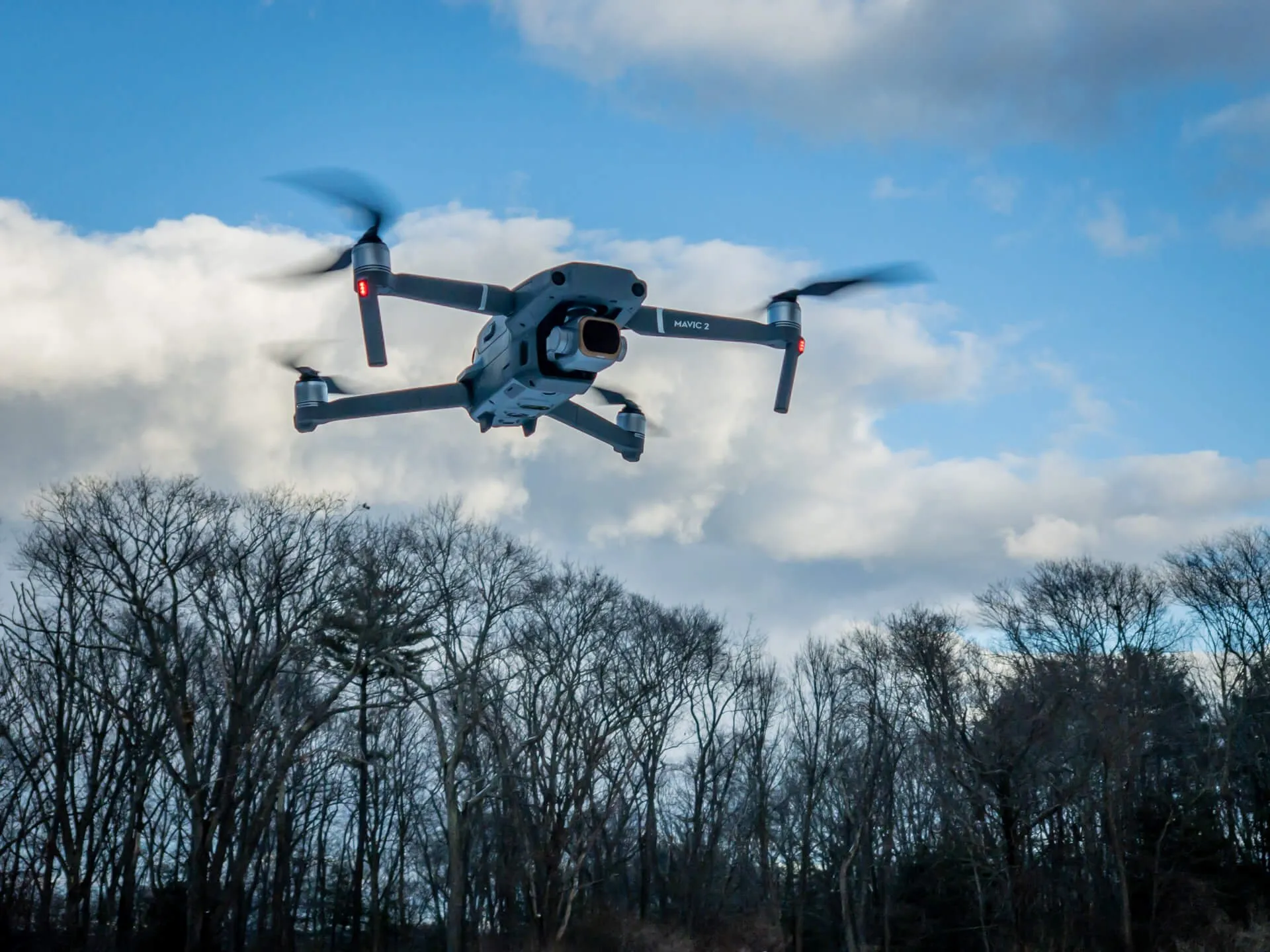
Consumer drones have become part of many industries, from photography and videography to agriculture and search and rescue. DJI has dominated the consumer drone market for years with products like the Mavic and Phantom series. However, concerns about data security have led governments to restrict the use of Chinese-made drones in critical infrastructure and sensitive areas.
GoPro’s strengths and brand recognition
GoPro, a well-known American brand, has a strong reputation for rugged, high-quality action cameras used by outdoor enthusiasts, athletes and content creators. The brand is synonymous with adventure and capturing stunning footage in extreme conditions. That reputation could be a strong foundation for expanding into the prosumer and professional drone market.
Let’s move beyond action cameras
To become a North American alternative to DJI, GoPro should consider expanding its products in these ways:
- Prosumer drones. Drones for hobbyists and semi-professional users, with 4K or even 8K video, longer flight times, obstacle avoidance and easy-to-use editing software. This would appeal to content creators looking for high-quality aerial footage.
- Professional filming tools. Drones with cinema-quality cameras and advanced stabilization aimed at filmmakers. These could compete with DJI’s Inspire series, offering versatility and high-end capabilities for production companies.
- Data security. As a North American company, GoPro could emphasize its commitment to data security and privacy, addressing the concerns surrounding Chinese manufacturers and earning the trust of agencies and businesses that need secure drones.
- Ecosystem integration. To compete with DJI’s ecosystem, GoPro should build compatible accessories and software for a seamless experience: camera accessories, gimbals and editing tools.
- Customer support. GoPro could stand out with exceptional support and after-sales service. Resources, training and repairs build trust and loyalty.
Lessons from the Karma
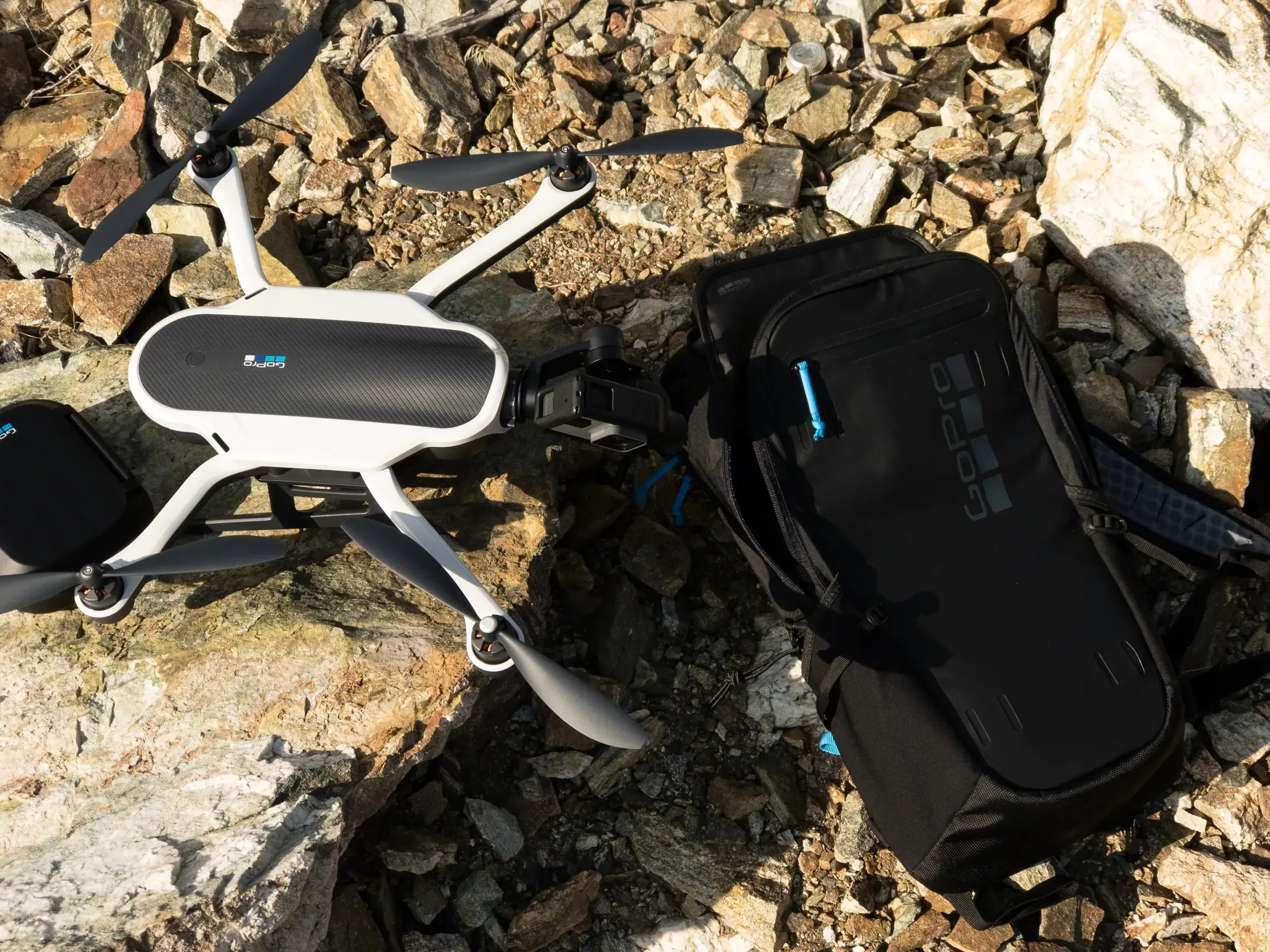
GoPro needs to reflect on the release and failure of the Karma drone. In 2016, GoPro introduced the Karma, its first move into the drone market. It had innovative features and promised seamless integration with GoPro cameras, but it faced numerous issues, including technical glitches and safety concerns. GoPro ultimately recalled the Karma, a major setback for its drone ambitions.
One key lesson is the importance of rigorous testing and quality assurance. Any future GoPro drone needs thorough testing to avoid the technical problems and safety hazards that plagued the Karma.
Another lesson is the need for a well-rounded ecosystem. GoPro should learn from DJI’s success in building a complete system of accessories, software and customer support.
Opportunity ahead
With growing restrictions on Chinese drone manufacturers, there’s a significant opportunity for GoPro to expand beyond action cameras and become the North American alternative to DJI. With its strong brand, a commitment to data security and a focus on prosumer and professional filming, GoPro could capture a real share of the drone market. By diversifying its products and applying the lessons of the Karma, GoPro could navigate the changing regulations and become a leader in the industry.